


Responsibility
Part of the Cocoa Horizons Foundation
At Simply®, we always emphasize that we are a Danish company, but having said that, we will never be able to grow cocoa beans here in the Northern Hemisphere. That is why the cocoa beans used to make our chocolate are grown in Côte d’Ivoire in West Africa. And we believe that producing in that part of the world comes with a certain responsibility.
Just as our local employees here in Copenhagen work under fair conditions, we want to ensure that the cocoa farmers, their families, and the communities surrounding the cocoa fields thrive and have the opportunity to improve their lives. This is both part of the solution for securing future chocolate production and a natural approach for Simply®. We do not want to produce and sell chocolate with an aftertaste of underpayment and exploitation of nature.
That is why we are part of Cocoa Horizons, a non-profit organization working to ensure that cocoa farmers, their families, and the communities surrounding the cocoa fields live and work under decent conditions. This means that our chocolate bars may be slightly more expensive than the rest of the selection on the shelf, but we genuinely believe that responsibly produced chocolate tastes better.
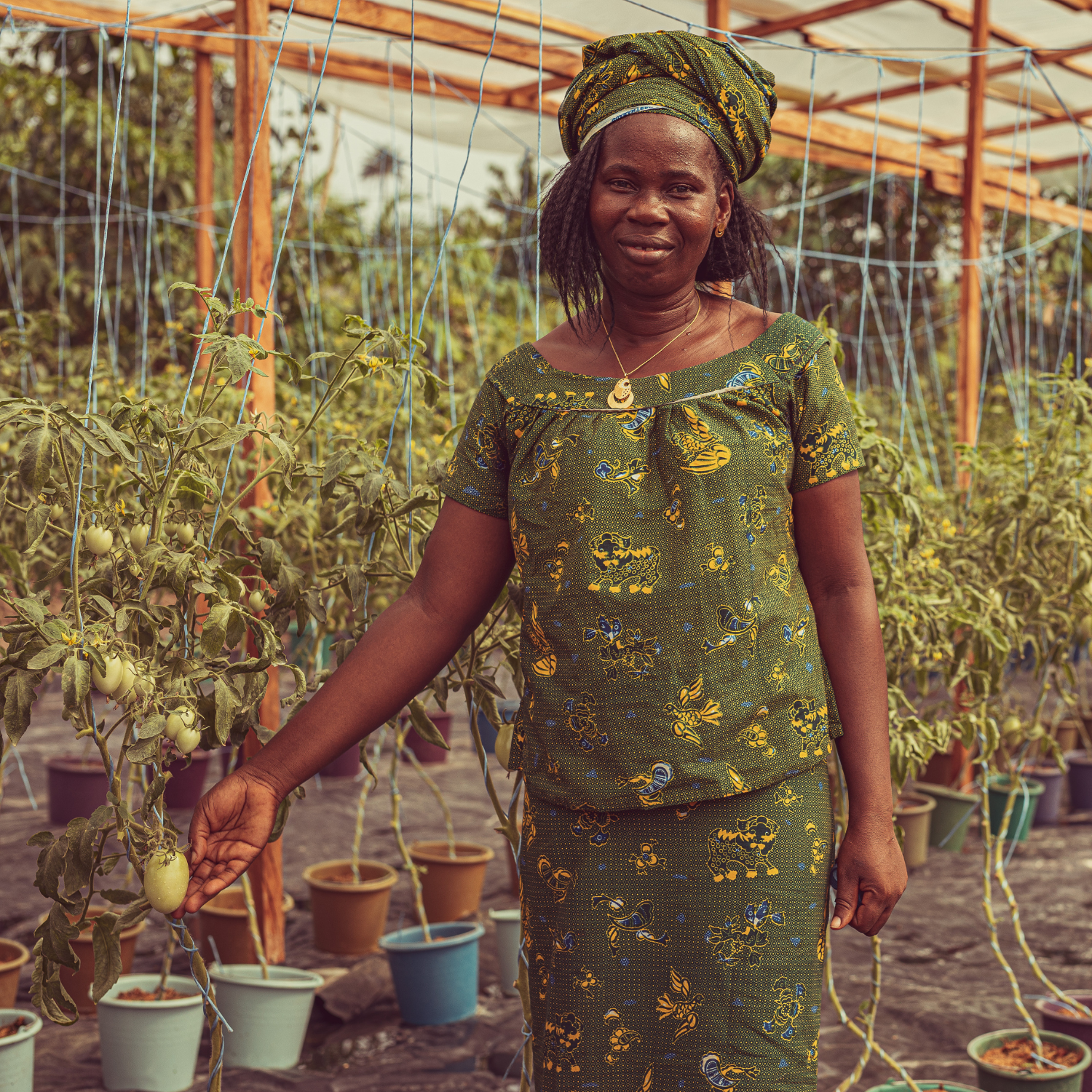
A greenhouse cultivating a new future
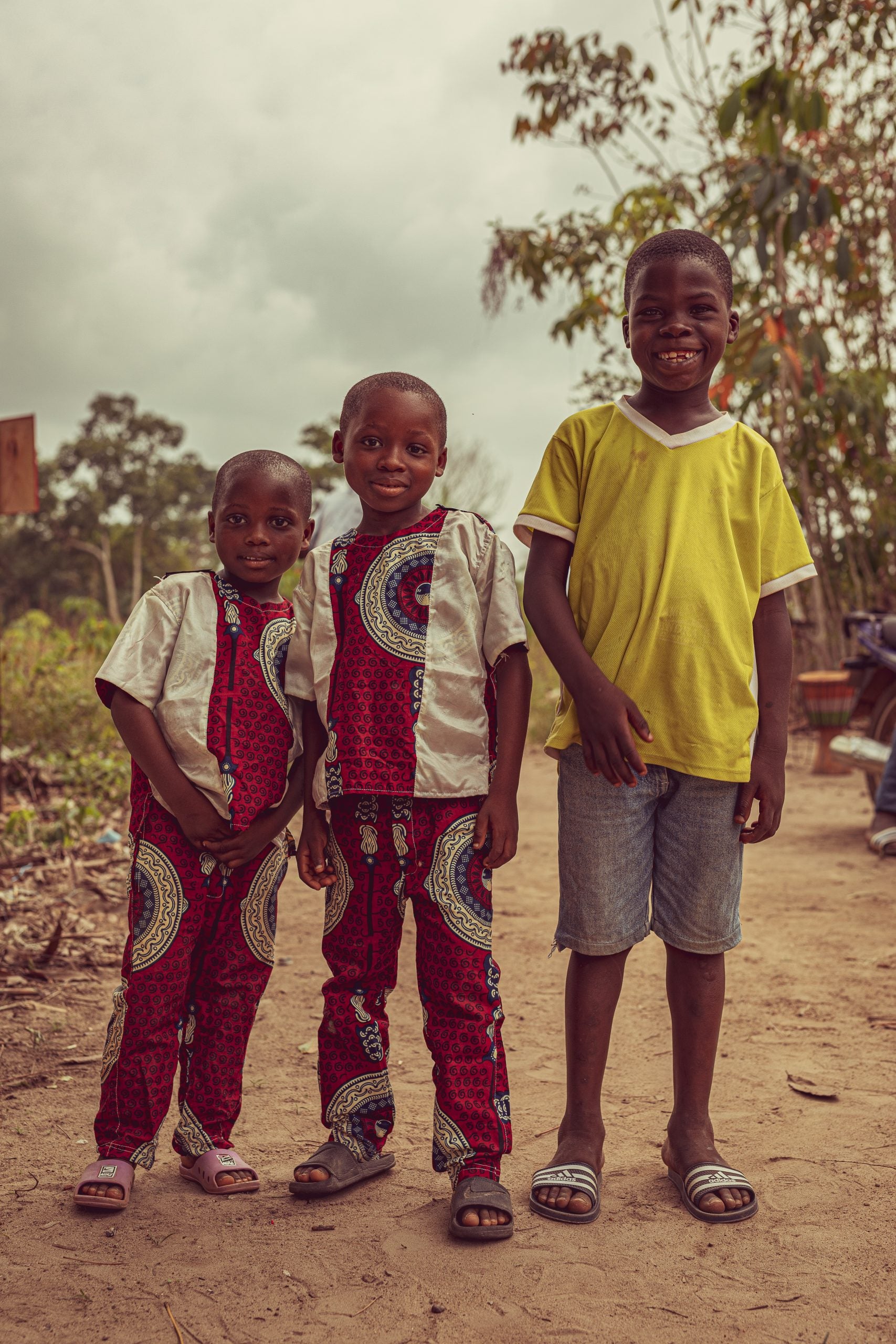
In Africa, it is primarily men who grow the cocoa beans. If a village depends solely on cocoa production, it makes families highly vulnerable. We want to change that. In collaboration with Cocoa Horizons, we have launched an experimental greenhouse project in which local women grow fruit and vegetables, providing families with an additional source of income. Red tomatoes and dark purple aubergines grow inside the greenhouse, but so does a new future. In addition to giving women a more stable income, the crops are served as lunch at the local school, so the children receive a nutritious meal and more energy for their education. The greenhouse project is one of the many ways Simply®—and you—give back to cocoa farmers and their families.
A new role for women
The greenhouse project is run by local women, all of whom have received training to ensure that production operates optimally. They have gained knowledge of growing and maintaining plants, seasonal crops, bookkeeping, trade, and developing new markets. In this way, the project also provides the women with greater independence and creates a more meaningful role for them in their villages—an important step towards a better future for African nations.
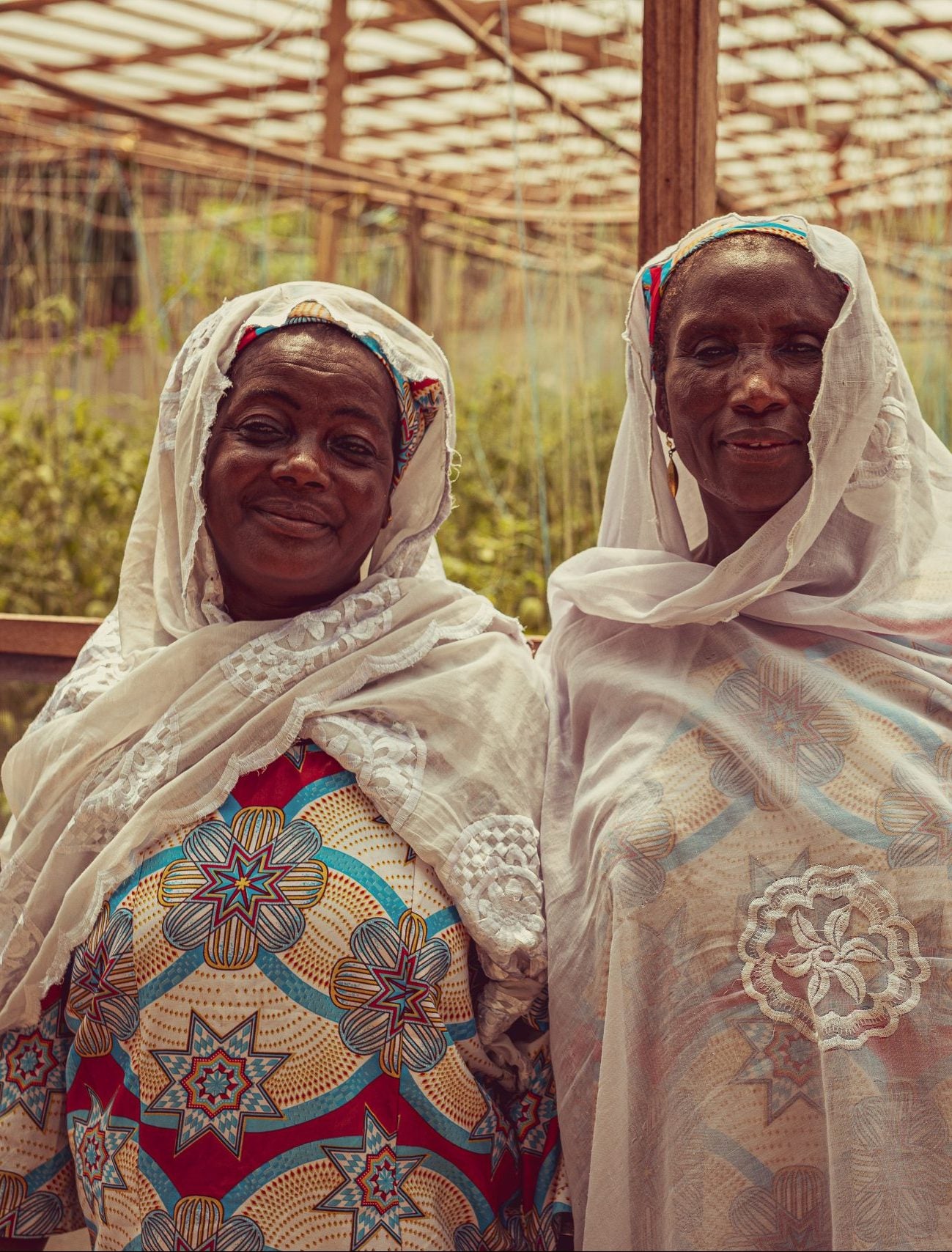
Dual-purpose production
The project is relatively new, but the plants in the greenhouse are already sprouting. However, the idea is not for the village families to eat all the vegetables. The production serves two purposes: first, it should provide local women with another source of income besides cocoa beans, and second, it should ensure better nutrition at the local school.
Training for cocoa farmers
This is why we have become part of Cocoa Horizons, which was founded by the Belgian chocolate producer Barry Callebaut. Cocoa Horizons works to improve the living conditions of cocoa farmers and local communities. They do this through various strategies: by introducing sustainable and innovative farming methods, increasing productivity, and developing local communities.
Specifically, Cocoa Horizons trains farmers in ways to improve their work, for example through new materials, new techniques, and innovative financing solutions. To reduce CO2 emissions, farmers learn to prune cocoa trees instead of burning the prunings, work with denser planting, and plant different types of trees in their fields.
Chocolate for schools and healthcare
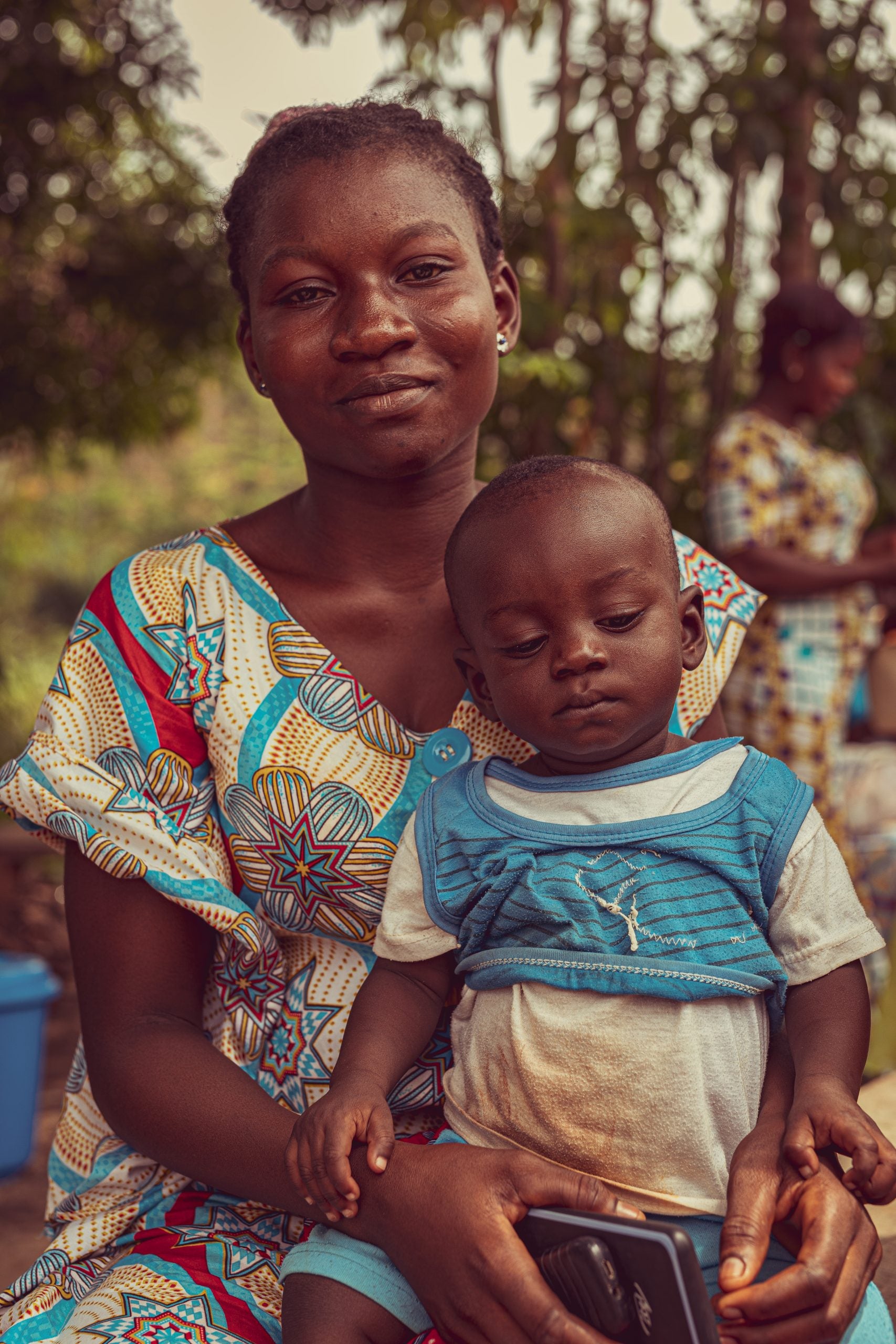
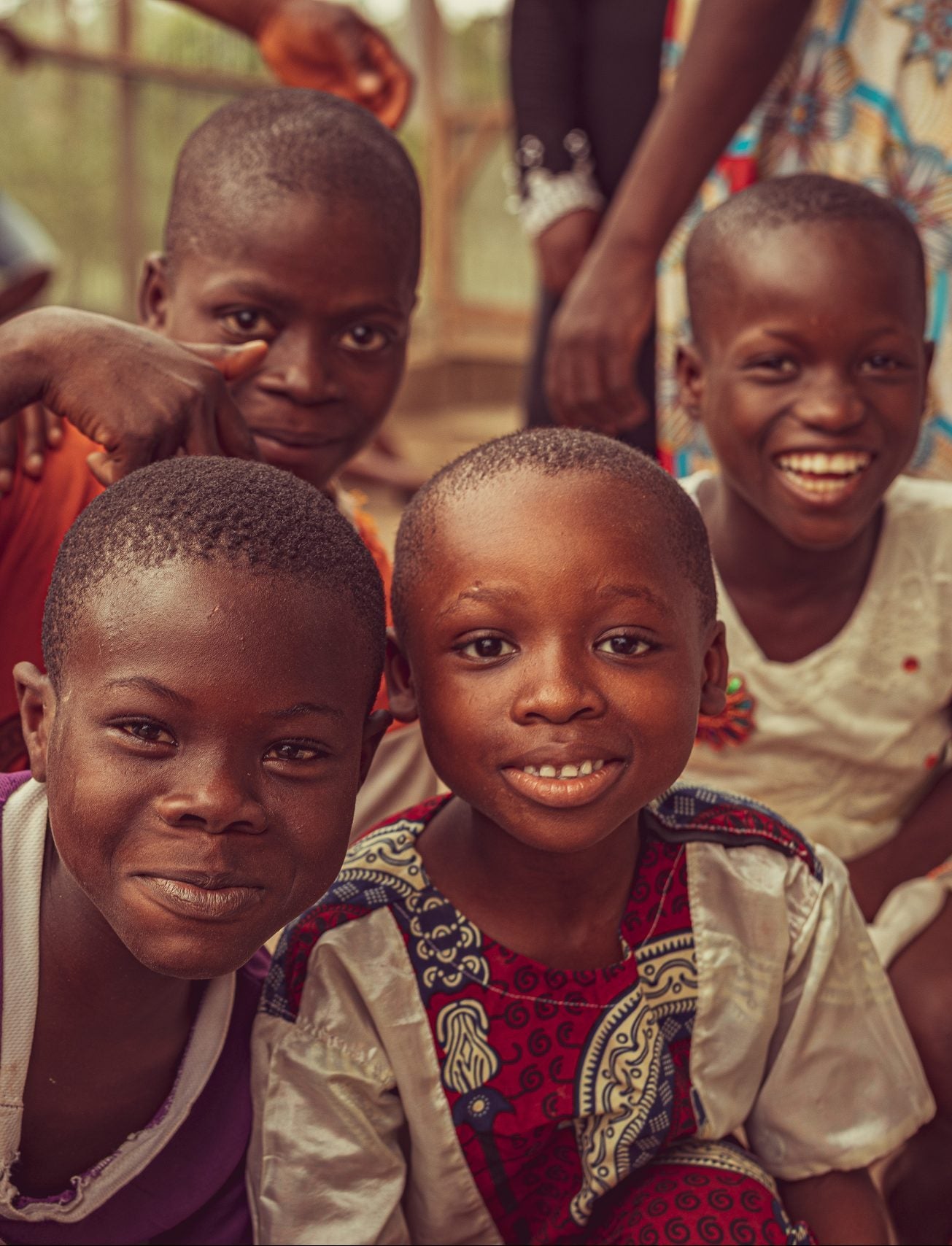
At the same time, Cocoa Horizons works closely with farming communities to make it easier for children and young people to access education, support efforts to protect children and give women better opportunities to develop, while ensuring access to clean water and basic healthcare. For example, 49% of all children between the ages of 5 and 17 in local communities are currently enrolled in school, and we are working to increase this number. Why? Because education is at the heart of many solutions for securing a wonderful future for “our” cocoa families—and wonderful chocolate for you.
